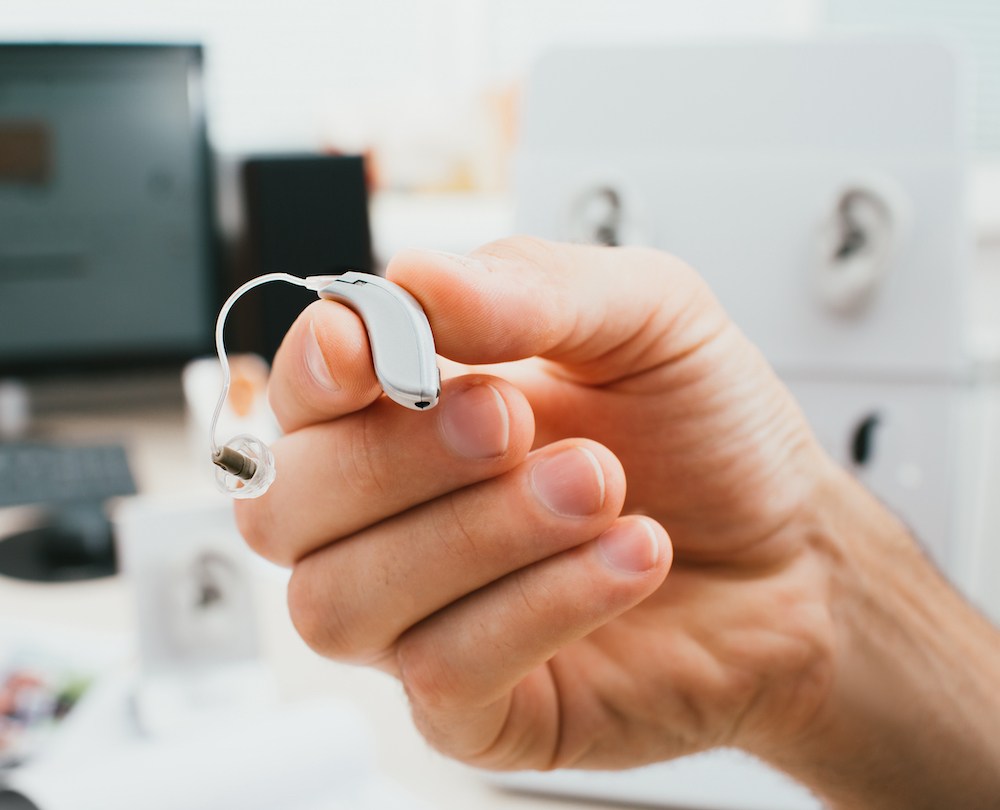
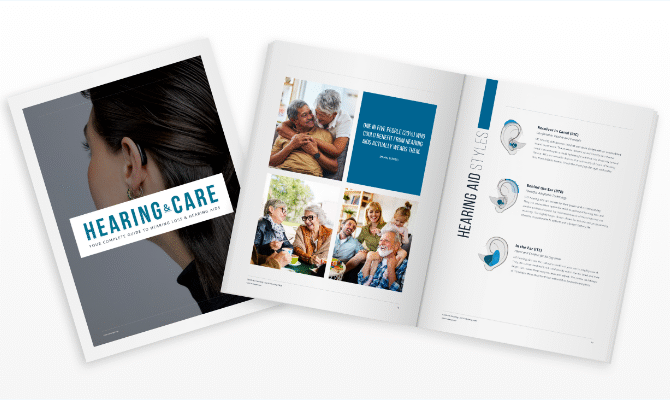
Winter travel comes with its own set of considerations, and if you wear hearing aids, the season adds a few more to the list. Cold air affects electronics differently than warm air does, and hearing aids are no exception.
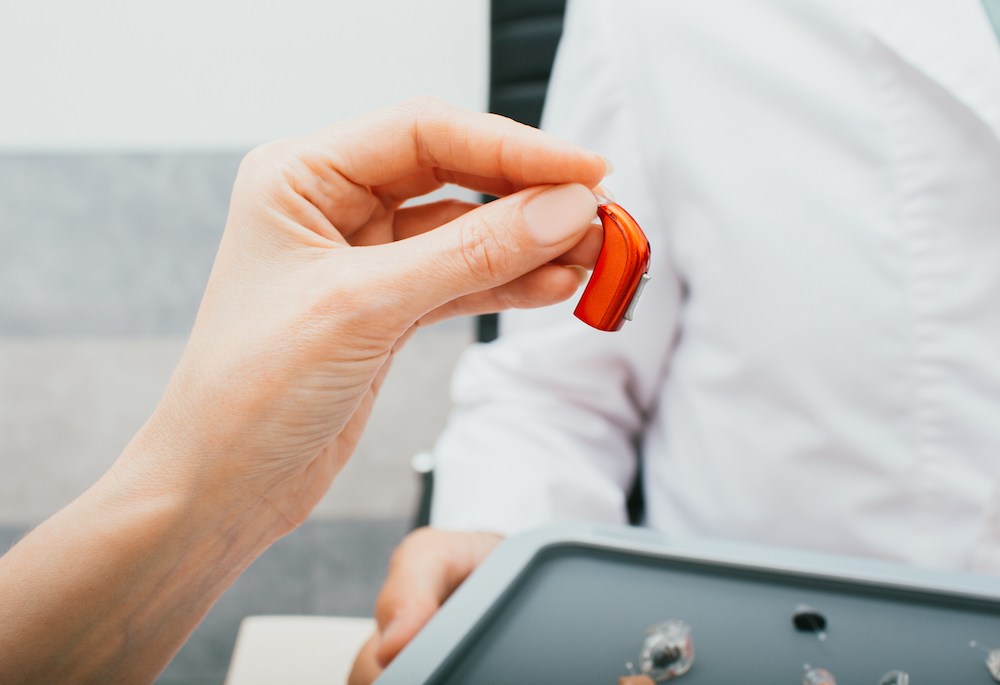
Batteries drain faster in the cold, moisture from snow or condensation can work its way into the device, and the constant shift between frigid outdoor temperatures and dry heated indoor spaces puts real stress on components that are designed to sit in your ear all day.

These situations come up in pretty ordinary winter travel. Stepping off a plane into a cold terminal, heading outside for a walk during a weekend trip or spending a few hours in the car with the heat blasting before walking into a cold parking lot.

You may wonder about the impact of cold weather on your devices. Will batteries run out faster? Can snow or rain cause damage? What should you do if your hearing aids stop working after being outside?

Knowing the answers to these questions helps you care for your hearing aids and avoid interruptions while travelling in cold conditions.

How Cold Weather Can Change How Your Hearing Aids Work

Cold weather and hearing aids don’t always get along, and understanding why can save you a lot of frustration when you’re out and about in winter conditions.

There are a few specific ways cold weather can affect how your devices perform:

  • Moisture and condensation can form inside the device when you move between cold and warm environments, interfering with the microphone, speaker or internal components
  • Temperature changes can cause the physical materials in hearing aids to stiffen, affecting both comfort and fit
  • Battery drain happens faster in cold temperatures because the cold slows the chemical reactions that power the device, including rechargeable models
  • Snow and rain exposure can introduce moisture that works into the casing if the device isn’t adequately protected

How Snow and Rain Add Moisture to Your Devices

Snow and rain can easily introduce extra moisture to your hearing aids during winter travel. When snow lands on your head or face, it can melt and seep into the small openings of your devices. Rain has a similar effect, especially if you are caught outside without proper protection.

Even brief exposure can allow water inside, causing sound to become quiet, distorted or stop completely until the device dries out. Wet conditions can also lead to battery problems or corrosion inside your hearing aids.

What Sudden Temperature Changes Mean for Device Performance

You’ve probably noticed how a cold glass fogs up the moment you bring it inside on a winter day. The same thing happens inside your hearing aids when you move from freezing outdoor air into a heated space.

That condensation doesn’t just sit there. It can muffle sound, cause crackling or cut the device out temporarily, and it chips away at battery life faster than most people expect.

How Condensation Builds Up in Hearing Aids

Condensation forms when warm, moist air meets a cold surface. For hearing aids, this happens most often during the transition from cold outdoor air into a heated indoor space.

The device itself is cold from being outside, and when it hits the warmer air indoors, moisture can form on and inside the casing. It’s the same basic process as a cold can sweating on a warm day, just happening in a much smaller piece of technology.

The problem is that this moisture doesn’t just sit on the surface. It can work its way into the microphone port, the receiver or the internal circuitry, causing static, muffled sound or a complete cutout.

The issue tends to be worse on days with heavy snowfall, freezing rain or high humidity, and it can build up gradually over the course of a day rather than happening all at once.

Repeated exposure without proper drying routines can also cause longer-term damage over a winter season.

Cold Weather Effects on the Life of Hearing Aid Batteries

Cold temperatures slow down the chemical reactions inside batteries, and hearing aid batteries are no exception. In sustained cold, you may notice your devices cutting out earlier in the day than usual or losing power more suddenly than you’d expect.

The drop in performance isn’t always gradual either. A battery that seems fine when you step outside can lose power quickly once it’s been exposed to the cold for a while.

Rechargeable hearing aids aren’t immune to this either. Cold reduces the effective capacity of rechargeable cells, meaning a full charge simply doesn’t go as far in winter as it does in warmer months.

For people who spend extended time outdoors, whether commuting, travelling or just running errands in the cold, this can become a real reliability issue at inconvenient moments.

Winter Attire and Your Hearing Devices

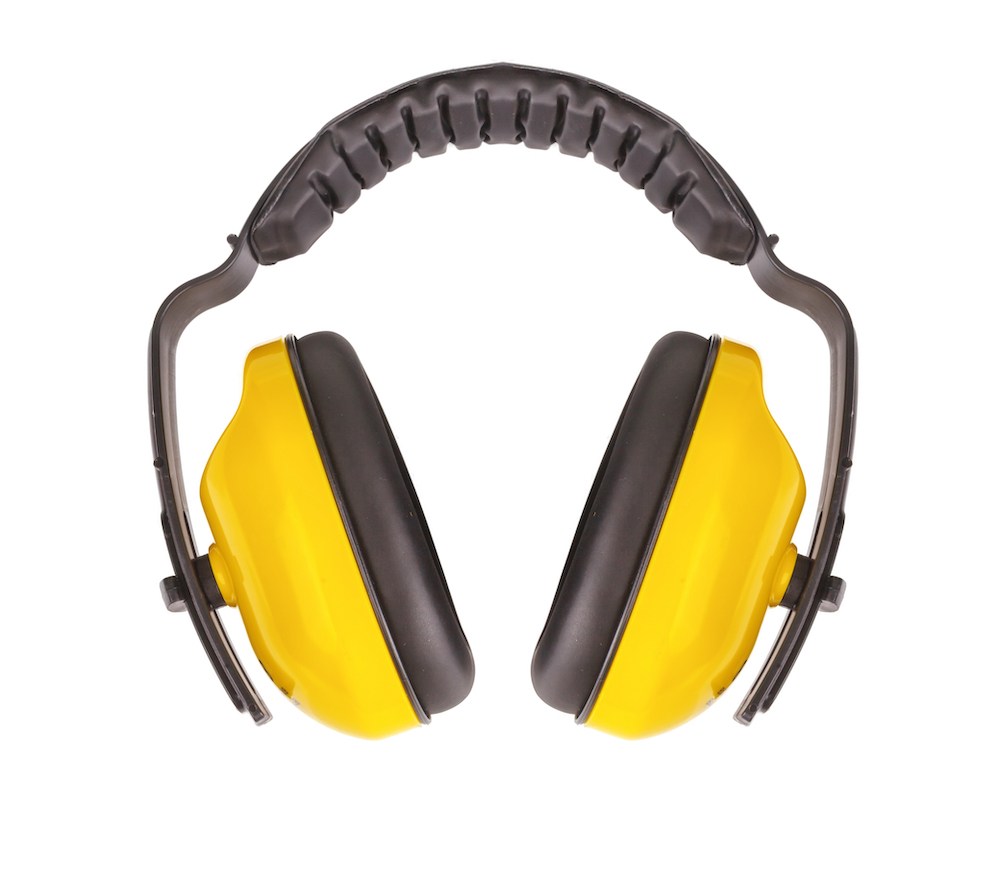
Hats, earmuffs, scarves and hoods are all practical in winter, but they interact with hearing aids in ways that aren’t always obvious. Pulling a hat on or off can dislodge a device or change how it sits in your ear, which affects both comfort and sound quality.

Tight-fitting hats that press directly against the ear can also cause feedback, that high-pitched whistling sound, by creating pressure around the microphone.

Earmuffs are a bit of a trade-off. They offer some protection from wind and cold, which can actually help device performance, but they also trap heat and moisture against the ear.

Scarves and hoods worn over the ears can muffle external sound and interfere with how the microphone picks up your surroundings, which can make it harder to hear conversations or be aware of what’s going on around you.

Preparing for a Trip When You Have Hearing Aids

Before you leave, it’s a good idea to have your devices checked by your hearing care provider, particularly if you haven’t had an appointment recently. Travel is not the time to discover that something was already not quite right with your devices.

A pre-trip visit also gives you a chance to update your programming if needed and make sure your settings are appropriate for the kinds of environments you’ll be moving through.

It’s also useful to know what your options are if something goes wrong while you’re away. Finding out in advance whether there are hearing care providers or clinics near your destination means you’re not scrambling to figure that out mid-trip.

Carrying documentation of your hearing aid model, serial number and current settings is a small thing that can matter a lot if your device needs to be looked at or replaced while you’re travelling.

Some manufacturers also offer support lines or warranties that apply across Canada, so knowing what coverage you have before you go is time well spent.

Accessories to Consider for Winter

Winter puts more demand on hearing aids than most other seasons, and the right accessories can make a real difference in how reliably your devices hold up.

A few things to consider adding to your winter routine:

  • A hearing aid dehumidifier or drying kit removes accumulated moisture from daily use, which becomes especially important when you’re moving between cold and warm environments regularly
  • A hard-shell carrying case protects your devices from snow, rain and physical impact when you’re not wearing them
  • Hearing aid sweatbands or sleeves fit over the device and act as a barrier against moisture and wind without affecting sound quality
  • Extra batteries or a portable charging case keep you covered when cold temperatures drain power faster than expected
  • A hat or headband designed for hearing aid wearers allows you to cover your ears without pressing directly against the device or triggering feedback

Maintaining Your Devices While Traveling

Travel disrupts routine, and for hearing aid wearers, that disruption extends to device care. The small maintenance habits that feel automatic at home require a bit more intention when you’re away from your usual setup, especially in winter when cold air and indoor heating are both working against you.

Cleaning your devices regularly while travelling matters more than people tend to think. Cold weather can push earwax deeper into the ear canal, which means more buildup on the receiver tip or dome than you might see in warmer months.

Moisture from condensation or winter attire can also mix with that debris and create blockages that affect sound quality.

A basic cleaning routine, wiping down the device each evening, checking the receiver port for wax buildup and replacing filters or domes when needed, is a lot easier to keep up with than troubleshooting a clogged device mid-trip.

Knowing When You Should Contact a Hearing Specialist

Some winter hearing aid issues are minor and resolve on their own once the device warms up and dries out. Others are a sign that something more is going on.

If your hearing aids are cutting out regularly in cold conditions, even after you’ve dried them out, or if sound quality doesn’t return to normal once you’re back in a warm environment, that’s not something to keep troubleshooting on your own.

Physical damage from moisture is not always visible. Internal corrosion can develop gradually and show up as inconsistent performance, unexpected feedback or a device that works fine one day and poorly the next.

If you notice these issues sticking around after a trip or cold spell, have your devices looked at. Also, book a check if the battery door, volume control, or program button starts working differently.

Cold can accelerate wear on mechanical components, and catching that early is a lot less disruptive than waiting until something stops working entirely.

Traveling Simply With Hearing Aids

Winter travel with hearing aids is manageable, and most of the issues that come up are predictable once you know what to look for. Cold temperatures, moisture and shifting environments are going to be part of any winter trip, but they don’t have to mean unreliable devices or missed conversations.

A bit of preparation before you leave and some basic care habits while you’re away go further than most people expect.

If you have questions about how your specific devices handle cold weather, or if you’d like a pre-trip check before heading out, the team at Hearing Well Matters in Burlington, ON is a good place to start.

You can reach us at (647) 247-2704 to book an appointment or talk through any concerns before your travels.